
"forest coffee"
15000 article(s) found

A brief introduction to the boutique coffee producing areas in Ethiopia-Lim 04
The pastoral, forest, semi-forest and plantation coffee system at 1200-1900 m above sea level in Limu is located in the highland plains of western Ethiopia. The average planting height in this area is significantly lower than that in other areas, but it does not hinder the availability of quality coffee. The Lim producing area is located in the southwest of the capital, and you can reach Jinma further south. Both places belong to the coffee forest, north of Lim and Jinma.

The species of Geisha was discovered in the forest of Ethiopia in 1931.
Professional coffee knowledge exchange more coffee bean information Please follow the coffee workshop (Wechat official account cafe_style) the species of Geisha was discovered in the rose summer forest of Ethiopia in 1931 and sent to the Coffee Institute in Kenya; it was introduced to Uganda and Tanzania in 1936 and in Costa Rica in 1953. Panama was founded in the 1970s by Dongba Qinong.

Gold standard gold standard geisha coffee beans in Rosa Village, Ethiopia
Professional coffee knowledge exchange more coffee bean information please follow the coffee workshop (Wechat official account cafe_style) Ethiopia rose summer village gold standard geisha coffee beans raw bean introduction: country: Ethiopia Ethiopia producing area: rose summer village Gesha Village varieties: 100% Geisha grade: Nacha altitude: 1900-2100m treatment:
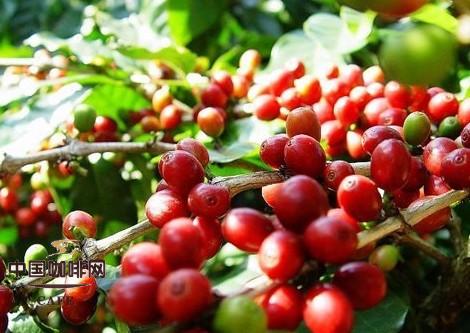
Ethiopian boutique coffee Ethiopian geographical environment Ethiopian coffee harvest fruity flavor in a year
Ethiopia's geographical environment is very suitable for coffee growth. Coffee is mainly grown in the southern highlands between 1100 and 2300 meters above sea level. The main coffee producing areas are Harar, Limu, Djimma, Sidamo, Kaffa, Yergacheffe and Wellega. The soil drainage in these areas is good.

Introduction of coffee flavor and taste characteristics of Esmeralda Manor in Panama with unique forest climate
Species of Geisha were discovered in the Rose Summer Forest of Ethiopia in 1931 and sent to the Coffee Research Institute in Kenya, introduced to Uganda and Tanzania in 1936, introduced to Costa Rica in 1953, and Panama was introduced in the 1970s by Mr. Francico Serraxin of the Tonba Seven Farm Garden from CATIE in Costa Rica and began to grow Rose Summer Coffee. G

Ethiopia is the country where coffee originated, so how do they grow coffee?
Professional coffee knowledge exchange More coffee bean information Please pay attention to coffee workshop (Weixin Official Accounts cafe_style) Ethiopia is known as the birthplace of coffee, Ethiopia found goats eating a plant, after eating will become energetic, so people discovered coffee this plant. Ethiopia is the home of coffee for millions of people, and today it is perhaps the world's most

Boutique coffee beans Ethiopian coffee the latest coffee introduces a unique flavor full of taste
Ethiopia's geographical environment is very suitable for coffee growth. Coffee is mainly grown in the southern highlands between 1100 and 2300 meters above sea level. The main coffee producing areas are Harar, Limu, Djimma, Sidamo, Kaffa, Yergacheffe and Wellega. The soil drainage in these areas is good.

Production and processing of Ethiopian Coffee
Ethiopia is one of the major producers of Arabica coffee in Africa, producing the best Arabian coffee in the world. It is said that coffee was first discovered by shepherds in Essekafa, and the name of coffee evolved from Kafa, so Essex is still the hometown of coffee. Ethiopia's geographical environment is very suitable for coffee growth. Coffee is mainly grown at 1100 meters to 2300 meters above sea level.
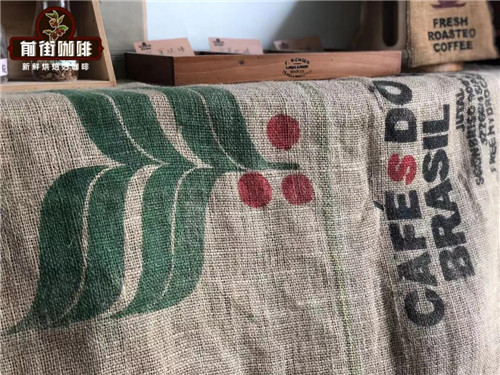
Brazil's coffee export output reached an all-time high of 44.5 million bags in 2020 in advance of the Brazilian coffee production crisis.
For more information on coffee beans, please follow the Coffee Workshop (official Wechat account cafe_style). According to foreign media reports, the European Union and the United Kingdom have held global public consultations on the import of agricultural commodities, a move to force big companies to ensure that deforestation no longer leads to forest degradation. According to the British due diligence on Forest risk Commodities, which ended in early October this year,

Coffee in Zhukula Village, Yunnan Coffee Culture in China
When it comes to the history of Chinese coffee, we have to mention Yunnan Dali Zhukula Coffee, which plays a vital role in the history of Chinese coffee. The ancient coffee forest in Zhukula Village is a unique variety of small-grain coffee in Yunnan. It is very rare and of excellent quality. It can be called a living fossil of Chinese coffee. We went to explore the century-old coffee legend of Zhukula village. Zhu Kula, located in Yunnan Province
About the background of Rose Xia Village Coffee Manor
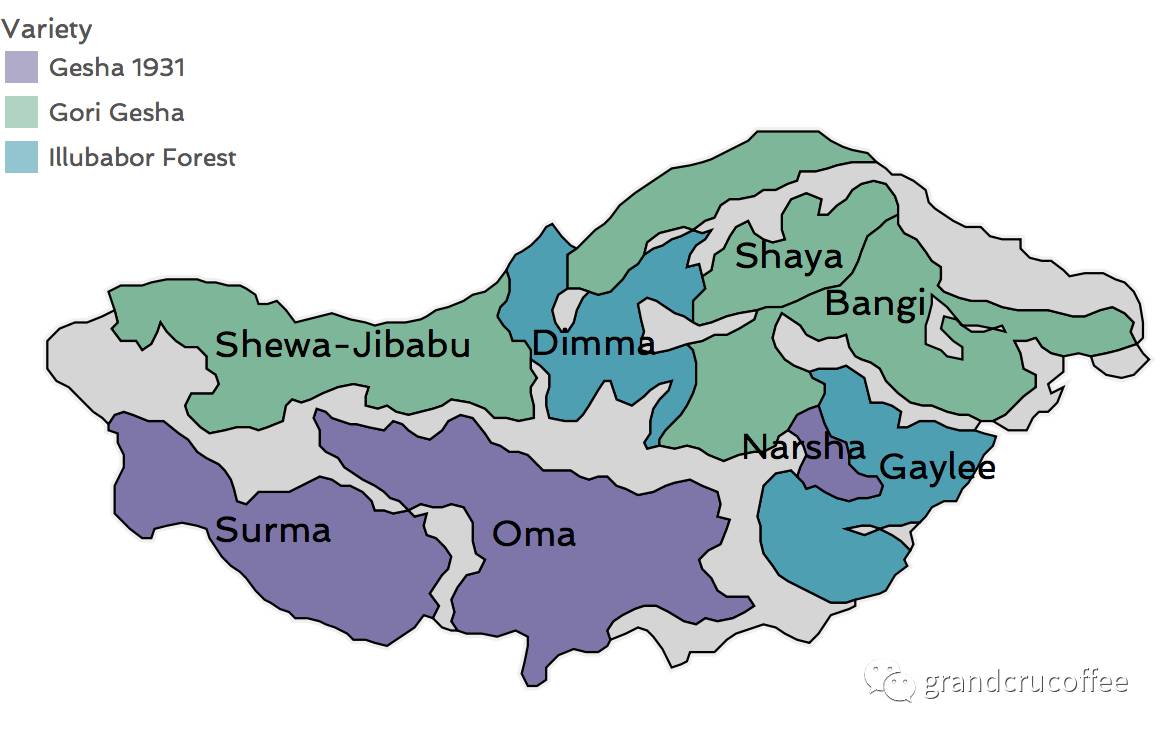
What is the difference between going to Dixixia Village and an ordinary Ethiopian manor? What do OMA and SURMA refer to in the batch number? What does the series of numbers 51, 72 and 59 mean? What's the difference between Gesha1931 and Gori Gesha? Next, the editor will give you answers one by one. Manor background Adam (Adam Overton) and Rachel (Samuel Rachel) have been around since 2011.

Introduction to Illubabor Coffee what is the Illubabor variety? Rosa Village Coffee
Professional Coffee knowledge Exchange more information about coffee beans Please follow the coffee workshop (Wechat official account cafe_style) Illubabor Forest, the choice of disease-resistant varieties was discovered in the Illubabor Coffee Forest in 1974. Illubabor is a variety that has a high flavor in the United States and Europe. It stands out for its jasmine, honey and passion fruit flavors.

Bench Maji Guixia Village Story| Gori Rose Summer Rose Summer 1931 Iruba Coffee Bean Variety Introduction
Bench Maji Guixia Village Story| The Bench Maji region is a jewel in the unfathomable natural beauty of Ethiopia's westernmost region, with its dense jungle. Close to Gori Gesha Forest, the birthplace of Panama's summer rose. In this unique landscape, one by one covers an area of about 471 hectares
El Salvador Warrior Manor SAN (Tropical Rain Forest Certified Manor) Coffee Flavor and Taste description
For the exchange of professional baristas, please follow the coffee workshop (Wechat official account cafe_style) 510,Salvadoran Warrior Manor-Hot Spring washed Coffee San Carlos Warrior Manor is located in Canton Potrero Grande Arriba, where El Salvador's famous coffee estate is located. The farm is close to the summit of Mount Santa Ana in Santa Ana. The Warrior Manor has amazing scenery and miniature style.
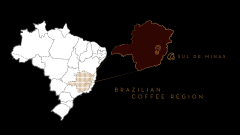
Flavor and introduction of Coffee producing area in Minas and Minas Southeast Mountain Forest region of Southern Brazil
Sul De Minas, south of Minas, is the main coffee growing place for Bulgarian sommeliers. Historically, it is the birthplace of large quantities of coffee production in Brazil, which is an ideal place to produce high-quality coffee. There are many generations of small farmers here. Perhaps for this reason, there are more cooperatives in the region. Most of them are small farms, but it is still a good place for industrialization.

The History of Chinese Coffee Coffee in Zhukula Village, Yunnan Province
When it comes to the history of Chinese coffee, we have to mention Yunnan Dali Zhukula Coffee, which plays a vital role in the history of Chinese coffee. The ancient coffee forest in Zhukula Village is a unique variety of small-grain coffee in Yunnan. It is very rare and of excellent quality. It can be called a living fossil of Chinese coffee. We went to explore the century-old coffee legend of Zhukula village. Zhu Kula, located in Yunnan Province

A brief introduction to the description of Coffee Flavor and aroma characteristics of Coffee Manor in Ethiopia (Moka)
Due to different planting methods, coffee can be divided into three types: forest-semi-forest coffee (Forest or semi-forest coffee), courtyard coffee (Garden coffee) and plantation coffee (Plantation coffee). 60% of the coffee belongs to forest-semi-forest coffee. In such a wild coffee forest, pesticides are not used at all, but biological methods are used to control pests. 35% of the coffee

Ethiopian coffee Yejia snow coffee beans boutique coffee raw beans
Ethiopia is one of the major producers of Arabica coffee in Africa, producing the best Arabian coffee in the world. It is said that coffee was first discovered by shepherds in Essekafa, and the name of coffee evolved from Kafa, so Essex is still the hometown of coffee. Ethiopia's geographical environment is very suitable for coffee growth. Coffee is mainly grown at 1100 meters to 2300 meters above sea level.

Flavor characteristics and treatment of Coffee in Ethiopia
Ethiopia is one of the major producers of Arabica coffee in Africa, producing the best Arabian coffee in the world. It is said that coffee was first discovered by shepherds in Essekafa, and the name of coffee evolved from Kafa, so Essex is still the hometown of coffee. The natural characteristics of coffee beans include large coffee beans.

Guatemalan Coffee beans | Guatemala Coffee Aurora Manor washing Kaddura
Professional Coffee knowledge Exchange more coffee bean information Please follow the coffee workshop (official Wechat account cafe_style) Front Street-Guatemala Aurora Manor Coffee brief introduction Koban Rain Forest (Rainforest Coban) is located in the central region of Guatemala, it is one of the eight major coffee producing areas in Guatemala, and the coffee from the Koban area is significantly different from other producing areas in Guatemala. The area